
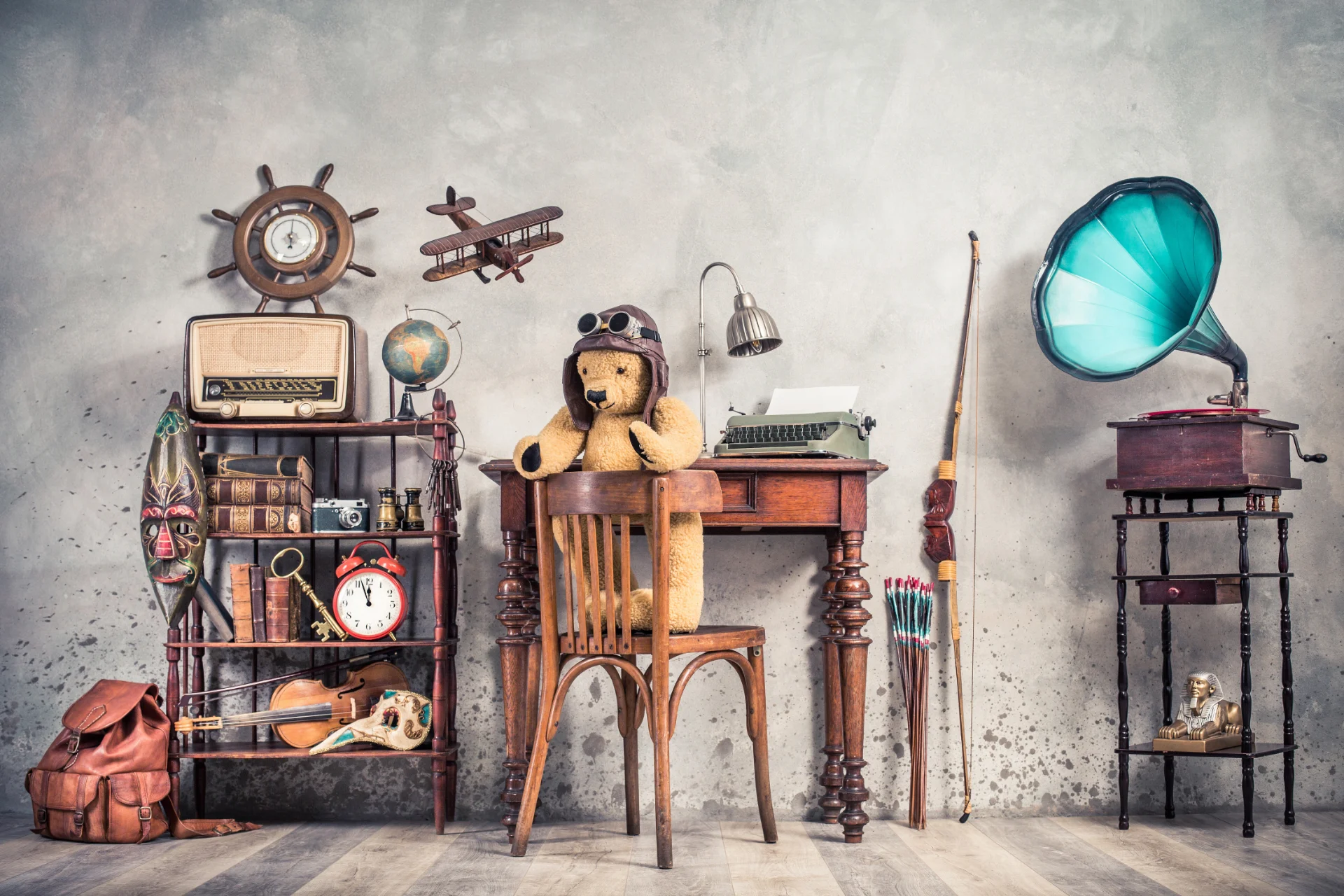
Keeping rare and valuable objects safe is a pressing concern for many, whether you have a collection of vintage records, priceless artworks or precious heirlooms. Finding a storage solution that offers peace of mind while preserving these items in pristine condition is essential. The right place should provide both physical protection and an environment that helps maintain the integrity of your valuables over time.
When considering storage options, it’s important to think about factors such as security, climate control and accessibility. Each one influences how well your items are protected. The best choice will suit your specific requirements, whether you’re looking to store a classic car, delicate jewellery or historic artefacts. A thoughtful and secure storage option ensures that your important belongings are both safe and easy to manage when needed.
The necessity for secure storage comes from the ever-increasing value we place on certain personal belongings. Whether it’s financial, sentimental or historical, the worth of some possessions calls for more than a simple lock and key. Family heirlooms, artworks or investment-grade items need environments that keep them intact long term.
Why does secure storage matter?
Consider a collection of antique photographs or original film reels from decades past. Keeping these in a home attic risks mould or heat damage. However, a climate-controlled storage unit not only secures them against physical threats like burglary but also from environmental wear.
Recognising this need early helps form a storage plan that doesn’t just react to risks but actively reduces them. This ensures the long-term safety and integrity of your high-value, irreplaceable items.
People choose to place a wide range of valuable items in secure storage. While some prefer to protect cherished possessions for sentimental reasons, others focus on maintaining items of financial significance or historical relevance.
Here are some examples of valuables commonly stored securely:
Each of these types of items presents specific vulnerabilities. A fine oil painting may be sensitive to humidity. An antique wooden sculpture might crack under temperature shifts. Gold jewellery may not fare well in an unmonitored environment. Knowing what you have helps you assess which risks to manage and how best to store each category of valuables.
The safety of your valuables starts with choosing a facility committed to both security and reliability. Not all storage locations offer the same level of protection. It’s important to evaluate each one with a detailed eye.
Key security features to look for include:
Think of secure storage as layered defence, where multiple methods are working silently behind the scenes to keep your belongings safe. This is especially useful for items that are irreplaceable or extremely difficult to restore if damaged or stolen.
A facility boasting modern surveillance systems and restricted access features gives owners peace of mind by drastically lowering security risk. It’s this first line of defence that helps ensure ongoing safety.
Security is one thing, but what about preservation? Many rare or sensitive items are easily damaged by even slight shifts in humidity or temperature. Items made from wood, paper, leather or canvas can change form or deteriorate quickly.
Climate-controlled storage solves this issue by creating consistent internal conditions no matter the weather outside. These units usually include:
Imagine putting away a 19th-century leather-bound book into a regular shed or loft. Within weeks, changing moisture levels could lead to mould or binding rot. In contrast, proper climate control keeps it safe for years.
Whether you’re maintaining a violin with finely tuned parts or original watercolour paintings, climate control can be the key to lengthening lifespan and protecting legacy.
While safety and preservation are top priorities, accessibility should not be overlooked either. You might have protected something brilliantly, but what if getting to it feels like a chore?
Here are some features that can make accessibility easier:
Consider a photographer who frequently needs to update a stored collection of gear or archive prints. A unit that’s across town with limited hours is far less useful than one nearby with easy access whenever work calls.
Convenient storage means you’re not compromising on practicality. Whether a business depends on quick access to supplies or a private collector needs frequent visits, it’s worth checking the usability of the facility before choosing.
Even with brilliant security and optimal storage conditions, there’s always a small chance that something could go wrong. That’s why it makes sense to insure your stored valuables.
Insurance brings several benefits:
Some storage centres include insurance in their service package, while others offer optional third-party policies. Whether you’re storing antiques or digital assets, it’s useful to ensure everything is covered.
An example scenario: imagine a water leak from a neighbouring unit damaging your memorabilia-heavy storage. A good insurance plan would cover restoration or replacement, minimising emotional and financial stress.
Packing doesn’t just help you fit items into a space efficiently. Done right, good packing methods play a direct role in protecting the condition of what you’re storing. Start with selecting the right materials and consider each item’s needs before boxing it away.
Effective packing tips include:
This is especially helpful in scenarios where stored items stay untouched for long periods. For example, if you place framed prints into a unit without a dust cover or cardboard buffer, you risk scratches on glass and warping.
Taking these steps in advance ensures what’s important to you doesn’t suffer preventable damage.
One of the easiest ways to stay on top of what’s in storage is through a simple system of labelling and inventory. It takes initial effort but pays off significantly when you need to retrieve items later.
Here’s a practical approach:
Without a clear inventory, hours can be wasted trying to locate a single object. Whether your storage space holds ten items or a hundred, this method of organisation gives better control and structure.
Great storage is never truly passive. Scheduling regular visits helps ensure everything is still in its best state and alerts you to any potential issues early on.
Here’s how monitoring helps:
Rather than leaving your valuable belongings unseen for months, consider setting a monthly or quarterly check-in schedule. A ten-minute visit could prevent long-term cost or effort in repairs or replacements.
Your attention makes a difference. Even when the facility is doing everything right, your involvement strengthens the overall strategy for preservation.
Selecting the correct unit size affects both budget and ease of use. A cramped space may cause damage due to overstacking. An oversized unit may waste resources and feel empty. So, what’s the best approach?
Start by:
Selecting just the right space increases comfort and effectiveness long-term.
Choosing a nearby storage facility brings specific benefits. For those in and around Stoke-on-Trent and Newcastle-under-Lyme, local access makes regular visits and prompt servicing much easier.
Benefits of a local facility:
With many storage providers available, working with a local company means you’re more than just a number. Local storage increases trust, responsiveness and flexibility.
Protecting your rare and valuable items starts with the right choices. By carefully selecting a secure, accessible and climate-friendly facility, you’re reducing risk from every direction.
Storage is more than space. Done right, it keeps history intact, possessions pristine and peace of mind constant.
Explore how Bigfoot Self Storage can help you enjoy the peace of mind that comes with secure and well-organised storage. By prioritising secure personal storage for your valuable items, you’re safeguarding them against potential risks. Learn how to create a reliable storage plan that fits your lifestyle and keeps your treasured belongings protected.