Running a young business from home feels natural at first. You keep costs low, move fast, and use whatever space you have. The kitchen table, the spare room, even the landing can become part of your setup. But as orders increase and paperwork grows, that cosy home base can turn into a source of stress and mess.
In this article, we are going to look at why so many local startups hit a limit with home working, how to spot the signs that your spare room is no longer working, and how storage for businesses can give you room to grow without the long-term commitment of a full office or warehouse. We will also share how using self-storage alongside a home office can help. This enables you to feel more professional, more organised and better prepared for the next stage of your business.
Most startups begin with what is close to hand: a laptop, a phone and a bit of spare space. At the start, you can:
For a while, this works. You can keep an eye on everything and feel very involved in every order. But as the business gains traction, the space that once felt flexible starts to feel squeezed.
Stock takes over living areas. You have to move boxes to sit on the sofa and shift piles of packaging every time you want to eat. The whole house becomes part warehouse, part office, and part home. None of those spaces really work as they should.
That is where the hidden costs begin. They may not appear on your bank statement, but they show up in your day in other ways:
There is also the mental cost of never really “leaving” work. When your stock lives in your home, your brain never fully switches off. You might be trying to rest, but your eyes land on half-packed orders or a stack of returns that still need checking.
For many early-stage founders, rethinking how they use space is one of the first grown up changes they can make. Instead of cramming every part of the business into the home, they shift the bulky, messy and rarely used items into a flexible storage room. That way, the home office can stay focused and calm, while the storage unit works quietly in the background as a safe place for everything else.
This step sits neatly between “running everything from the spare room” and “signing a long office lease”. It lets you scale your space in small, steady stages, which fits how most startups actually grow.
Not sure if you have really outgrown your home base yet? There are some very clear red flags that many founders spot once they stop and think.
Physical signs are often the most obvious:
Then there is the paperwork problem. When home life and business life share the same drawers and shelves, things start to mix. Bank letters get tucked in with invoices. Important contracts end up next to school forms, takeaway menus or holiday brochures. It becomes too easy for paper to be misfiled or accidentally binned.
You might also notice operational warning signs that affect how you serve customers:
These issues quietly hold your business back. Then there is the question of how professional you feel. A messy space has a real impact here. Common problems include:
Over time, this can chip away at confidence. It is hard to think big when you are working out of a space that does not reflect where you want the business to go.
If any of this sounds familiar, it might be time to treat space as a proper business resource instead of an afterthought. Moving part of your operation into dedicated storage for businesses can be the trigger that lets you take on more orders, improve your image and free your home life at the same time.
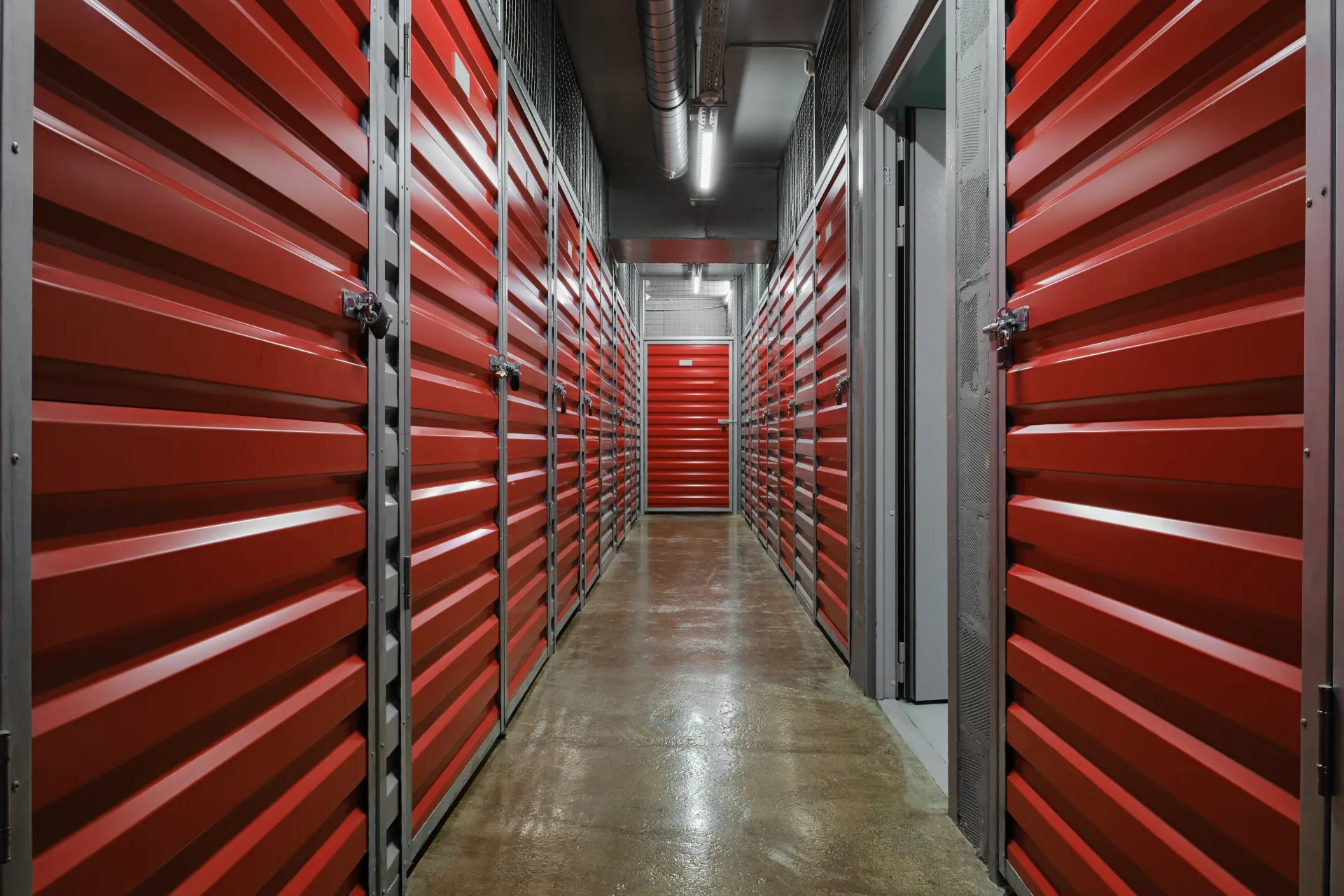
Modern self-storage for businesses is very different from the old idea of a dusty lock-up. At a well-run site, you get a choice of unit sizes and a simple agreement that lets you stay as long or as short a time as you need. You can start small while the business is young, then move into a bigger room when stock levels rise. If trade dips or you change direction, you can scale space back down.
That flexibility fits the reality of startup life, where demand is rarely steady. You might have quiet weeks followed by sudden spikes after a promo or a big order. Having a storage room you can upgrade or shrink removes the pressure to guess your needs far in advance.
What you move into storage will depend on the type of business you run, but common items include:
Once these move out of the house, you suddenly gain breathing space. The spare room can become a true office instead of a stockroom. The garage can hold family belongings again, not just pallets and parcels. Your living room no longer looks like a packing station.
This space shift has a big impact on your headspace too. It becomes easier to draw a line between work time and home time. When you are in your home office, you can focus on:
Meanwhile, your storage unit acts as your “back room”. It quietly holds everything you need to trade, but you do not have to step over it to make a cup of tea. When a busy period hits, you can:
This split setup, with a calm home office and a well organised storage space, allows you to think clearer. You can design better systems, track stock more easily and actually enjoy working on your business again.
When founders first think about growing their space, they often jump straight to the idea of renting a shop, workshop or office. That can work for some, but traditional commercial premises usually come with longer commitments and more responsibility for things like utilities and maintenance.
For many startups in areas like Stoke-on-Trent and Newcastle-under-Lyme, that step can feel too big and too early. Storage for businesses offers a different path, where you add the space you need without taking on more than you are ready for.
Instead of a fixed unit that might be far bigger than you currently require, you can pick a storage room that matches your present needs and then adjust as things change. This can be especially helpful if you are:
Different types of businesses use self-storage in different ways. Some common examples include:
In each case, the storage room becomes an extension of the business without the overheads of a full commercial lease. You gain the space to organise, label and access everything you need, but you also keep the ability to change your setup quickly if the business shifts.
There are also practical benefits that go beyond square footage. Many business-friendly storage facilities provide:
This all helps you present a more organised face to suppliers, couriers and anyone who visits. When deliveries arrive at a proper loading bay rather than a packed terraced house, things tend to go more smoothly.
A lot of startups try to squeeze extra space from home before they look at storage for businesses. Garages, sheds and lofts are obvious options, but they come with risks.
Garages can be damp or draughty. Sheds may not be fully secure. Lofts can get very hot in summer and very cold in winter. Over time, these conditions can damage:
On top of that, home storage areas are usually not designed with security in mind. A simple lock on a shed door or garage might not give you much comfort if you are keeping high value items inside. And it can be hard to control who has access. Children, visitors or tradespeople may pass through spaces where business items are stored.
A purpose-built storage facility is set up very differently. At a modern site, you can expect proper security measures and controlled access to the building. Units are inside a managed environment, which provides better protection against damp, dust and casual intrusion than many home spaces.
This is particularly important if your business relies on stock that cannot easily be replaced or equipment that you need every day. Knowing that these items are held in a dry, monitored space reduces stress and makes planning easier.
Document storage is another area where professional space beats the loft or garage. If you handle customer data or confidential paperwork, you have responsibilities around how that information is stored. Keeping boxes of files in a corner at home makes it harder to manage who can see them, how long you keep them and how you protect them from damage or loss.
Using a dedicated room for archived documents supports a more organised approach. You can label boxes clearly, keep them in good condition and control access more easily. It also makes it simpler to separate personal and business records, which many founders find helpful when it comes to tax time.
Once you start thinking of space as a tool to grow the business, the first practical step is simple. Take a clear look at everything your startup owns and ask two questions:
Most founders find that they only need a small selection at home: a desk, a chair, a computer, a printer, a few key samples and some basic stationery. Almost everything else can move into a storage unit. That includes back-up stock, spare packaging, marketing materials, bulky equipment, old accounts and anything you only touch once in a while.
As soon as those items move out, your home feels different. Rooms become calmer, and you have space to work without hovering over piles of boxes. It becomes easier to keep the home office tidy and to present a clean, neutral backdrop for calls or photos. Family life benefits too, because business stops spilling into every corner.
At the same time, your storage unit starts to feel like a mini HQ. This is where:
By using both spaces together, you create a simple, scalable setup that can grow with your startup. The home office supports your thinking work and communication. The storage room supports your practical operations and growth. You keep flexibility, avoid heavy fixed overheads and give yourself space, in every sense, to move forward.
If you are ready to free up valuable space and keep operations running smoothly, explore our tailored business storage solutions today. At Bigfoot Self Storage, we work with you to find the right unit size and storage solution. To discuss your specific requirements or to arrange a viewing, simply contact us and we will be be more than happy to help.