
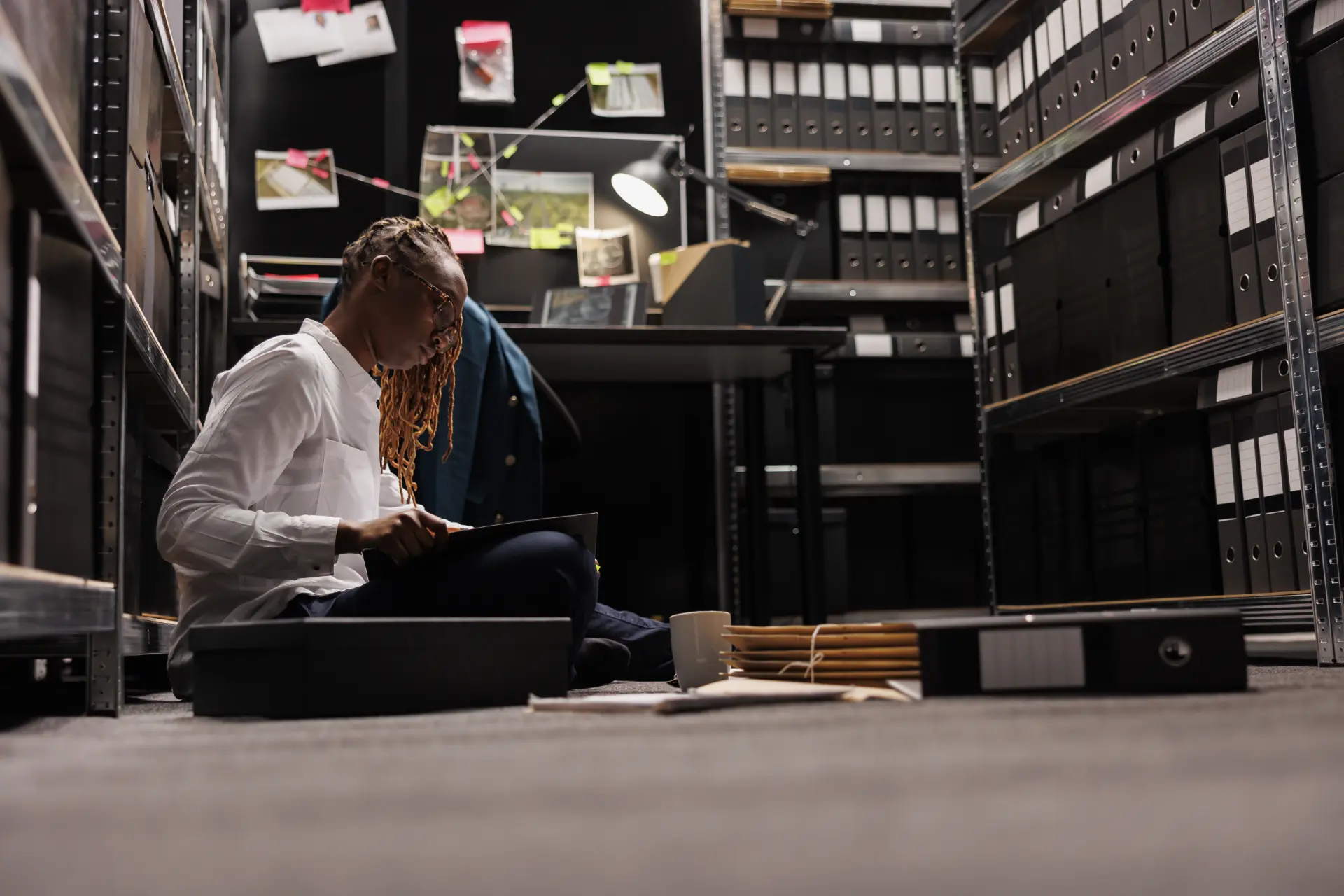
Creative work needs space. Not just a spare corner of the living room, but a place where you can spread out, make a mess, keep your gear safe, and switch your brain into “work mode” the moment you walk in. For many creative businesses, the hardest part is not ideas, it is finding an affordable, flexible studio that actually fits real life. This is where storage units as studios can be the game-changer.
If you are trying to run a creative business from home, you probably know the struggle. You might be working from a cramped box room, losing supplies under the bed, stopping every few minutes because of noise, or trying to pack orders at the kitchen table before dinner. On top of that, it is hard to switch off when your workspace is the same place where you relax and sleep.
Turning a self-storage unit into a studio solves a lot of these problems in one move. A storage room can be a secure, private, dedicated space that is yours to arrange how you like. You get a clear line between home and work, space to grow your ideas, and room to store stock and equipment without filling up the house. In areas like Stoke-on-Trent and Newcastle-under-Lyme, where traditional studio space can be limited or tied up in long contracts, this kind of setup can be very appealing for creative businesses of all sizes.
A basic self-storage room is really just four walls, a door, and a lock. That blank canvas is exactly why it works so well as a creative studio. You can shape it around how you work, rather than squeezing your process into an awkward corner or shared space.
Here are some simple layout ideas for different types of creative businesses who can use storage units as studios:
You do not have to fill the space with heavy, expensive furniture. In fact, portable furniture often works best:
Good lighting makes a huge difference. Many storage rooms are lit from above, but that overhead light can be harsh or flat for detailed work or photography. Portable LED lamps, clip-on lights, and softboxes are simple ways to brighten the space and control the look of your photos or videos. Always use power safely, keep cables tidy, and avoid overloading sockets.
Organisation is what turns a storage room into a studio that feels like a small workspace instead of a crowded cupboard. Simple habits help:
There are also a few practical rules to think about. Storage facilities will have their own policies, so it is smart to check:
A professional storage team can guide you on which unit sizes are likely to suit your type of work and how people typically use them. That way, you are not guessing, and you can set up your creative space in a way that fits both your workflow and the site rules.
Traditional studio rentals can feel like a big step. You often have to sign long agreements, commit to more space than you need, and deal with contracts that assume you are a large company, not a growing creative business that changes month by month.
Storage units for businesses offers a different style of setup. Instead of a fixed, long-term studio, you get:
For creative work, that kind of flexibility can be a real relief. Many creative businesses have busy seasons. For example, photographers can be flooded with weddings and events, makers might have more orders before big gift periods, and online sellers can see sudden surges when a product takes off.
With storage units for businesses, you can:
You avoid the headache of relocating your whole setup across town just because your old studio ran out of space or costs went up. Instead, you can often switch to a different room within the same site, move your shelving and furniture, and get back to work quickly.
Business-friendly features also make a big difference to creatives:
Some storage locations also offer a mix of storage and office-style spaces in one place, which is helpful if you want a quieter office area plus a more practical studio or stockroom. That kind of layout lets you keep creative mess and admin work separate, while still staying under one roof.
For creative professionals, the value of what you store is not only about price tags. It is the cameras you rely on to shoot client work, the tools you have built up over years, the original artwork, unique props, or handmade product samples that you cannot easily replace. Losing them would not just be a cost; it could stop your business in its tracks.
That is why security should be at the top of your list when you think about storage for businesses. Key features to look for include:
With that kind of setup, you can store your equipment, products, and creative work with much more peace of mind than if it were scattered around a shared house or garage.
Privacy is just as important. A lockable unit gives you a space where you can concentrate without constant interruptions. This matters for activities like:
The more your studio feels like a focused zone, the easier it is to get into a creative flow. When the door is shut and you know the world is outside, you can focus on the work in front of you, not the washing machine, the TV, or people walking in and out.
Professionalism is another quiet benefit of a private space. Many creatives feel awkward meeting clients at home, especially if they share the space with family or roommates. A tidy, organized, neutral studio can change that. You can:
When your workspace looks and feels professional, people pick up on that. You can show your process, your tools, and your products in a clear, organized setting, which can give clients more confidence in you and your business.
Once your basic studio setup is running smoothly, the next step is using it to grow your brand. Storage for businesses is not just about having somewhere to put boxes, it can be a strong base for building a recognisable creative presence.
A simple way to get more from your storage studio is to divide it into zones. For example:
By clearly separating these zones, you avoid mixing everything together. You will spend less time hunting for items and more time actually doing the work that grows your brand.
Your studio can also support the way you show your business to the world:
For many creative businesses, the biggest worry is committing to a large, permanent studio or shop too early. A storage-based studio can bridge that gap. It lets you:
If you find that your creative business is expanding fast, you can add another unit or move to a larger one. If growth is steady but not explosive, you can keep refining your current setup. Either way, you are not forced into a big leap before you are ready.
A good first step is to look honestly at your current setup. Ask yourself a few simple questions:
If your answers leave you feeling stuck, it might be time to think about a different kind of workspace. A self-storage room can act as a studio, a stockroom, and a small business base all in one. For creative businesses in places like Stoke-on-Trent and Newcastle-under-Lyme, this kind of setup can free up space at home and give your work a professional, organized base.
At Bigfoot Self Storage, we provide secure, flexible self-storage rooms and office-style space for both personal and business customers. Creative businesses use this kind of space in many ways, from craft studios and photography sets to inventory hubs for online shops. Storage for businesses can grow with you, support your day-to-day work, and help your creative brand feel more solid and structured.
By choosing a storage-based studio, you create a place where your ideas, tools, and products all live together in a clear, organized way. That makes it easier to do your best work, to show it off with confidence, and to build a creative business that fits your life instead of fighting against it.
If you are ready to clear space, stay organised, and make room for growth, our tailored storage for businesses is built to fit your needs. At Bigfoot Self Storage, we help you to manage inventory, equipment, documents, and seasonal items so you can stay focused on what matters most. Tell us what you need to store and how you work, and we will recommend the right unit size and features. Just contact us and we will walk you through your options.